


Community
Staff Spotlight: David Golden
Building snowmen and drinking hot cocoa may be delightful, but driving in winter weather can be frightful – particularly if you live in an area, like Arkansas, that doesn’t often see snow or ice.
The good news? You can be prepared for whatever Mother Nature sends your way. Read on for some top tips to ensure you arrive safely at your destination.
When driving on snow or ice the most important thing to remember is to SLOW DOWN. Along those same lines, the second thing you can do is to give plenty of space to the vehicle in front.
Let’s dive a little further into what you can do to make sure you’re ready for winter weather driving…
You’ve prepared your car for winter weather, but now that you put your vehicle in drive, what can you do to prevent an accident? Here are four things to keep in mind when driving on winter roads.
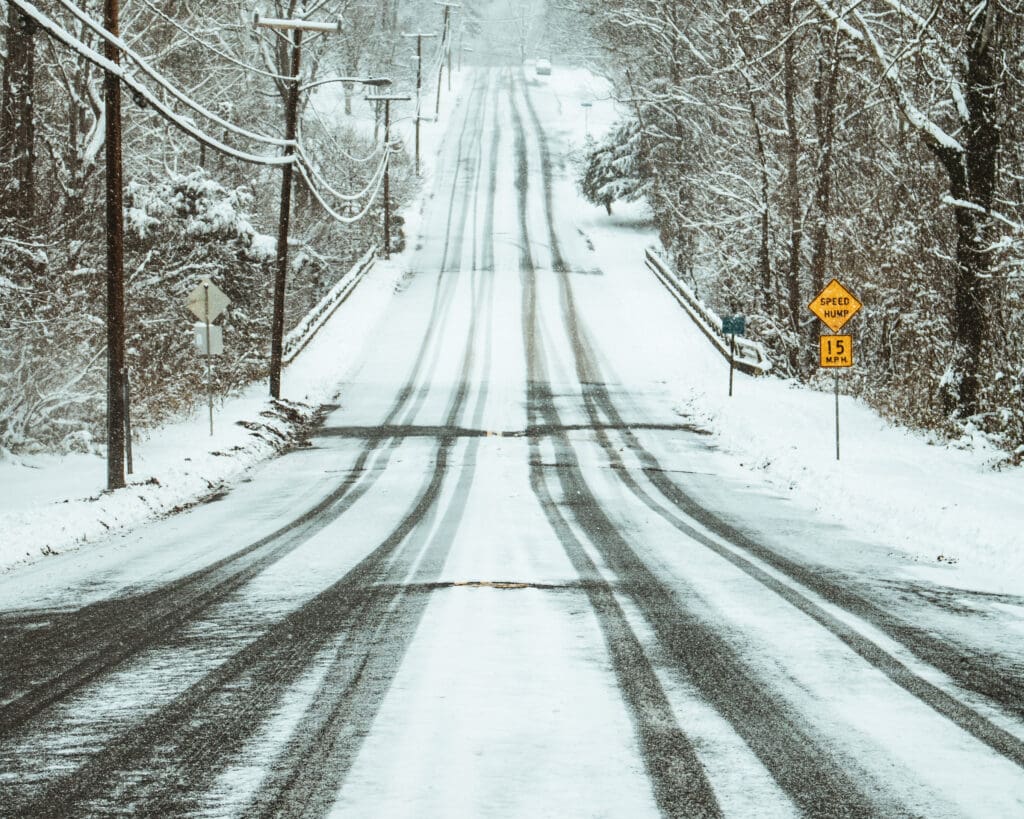
It sounds simple, but it’s the most important step you can take when driving on snow or ice. You must significantly decrease your speed. It’s harder to control or stop your vehicle when roads are wet, icy, or covered in snow. You (and your car) need more time to react to unpleasant surprises like black ice. This principle applies not only to your general speed but also to braking and accelerating. Proceed with caution.
On the same note, leave earlier than necessary and give yourself extra time to reach your destination. You’re more likely to drive at a safe, slower speed if you don’t have to worry about being late.
As mentioned above, cars require more time to slow or stop on wintry roads. Keep extra distance between yourself and the car in front of you. It can help you avoid becoming part of a chain of rear-end collisions.
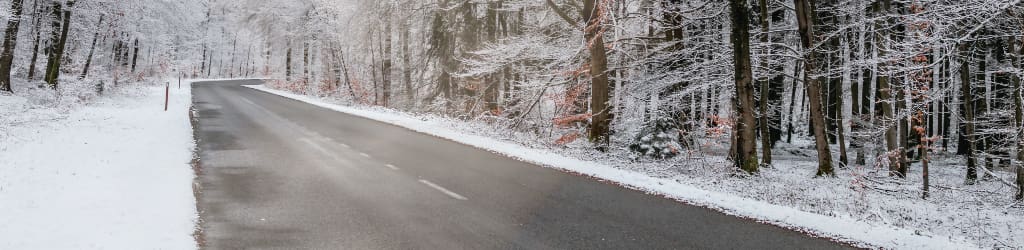
A “skid” occurs when your wheels no longer have traction with the road, and either the front or back of the car starts to slide away from the direction you want to be going. It’s a scary feeling, but you can regain control.
The first and most important thing to remember is to resist the urge to slam on the brakes.
If needed, gently “pump” the brakes by lightly tapping and releasing the brake pedal.
Next, you’ll want to “steer into the skid” if you begin to lose the back end of your vehicle. You can steer into the skid by turning your steering wheel in the same direction the back of your car is sliding. Once your rear wheels begin to gain traction, steer the vehicle back in your original direction.
This one speaks for itself. Maintain a steady speed when traveling uphill. It can be extremely difficult for your vehicle to gain traction once it’s stopped in an uphill position.
Learn more about driving in wet, stormy conditions by visiting our blog: When the Weather is Frightful: Driving Tips for Rain and Storms
Safe driving begins before you even back out of the driveway. Prepping your vehicle for winter weather is simple and relatively inexpensive. Here are five quick tips everyone needs to know before they go.
While this is generally good advice, it becomes especially important in the winter. Get regular oil changes and keep an eye on your vehicle’s battery, coolant, and other systems. Experts say wiper blades should be replaced once a year, so consider this your reminder if you’ve not yet done so. Consider replacing the standard wiper fluid with one made specifically for colder weather.
It’s time for the “Lincoln test,” an easy way to check your tire treads. Insert a penny into the tread with Lincoln’s head pointing down. If you can see all of his head, that means your treads are low and your tires need to be replaced. Tread allows your car to grip the road, which is never more vital than in those wintry conditions.
As the outside temperature drops, so does tire pressure. You can check yours with a simple, inexpensive gauge. Your car manual will tell you the optimum pressure (called PSI) for your particular vehicle. Hint: it’s not necessarily the number listed on the tire itself.
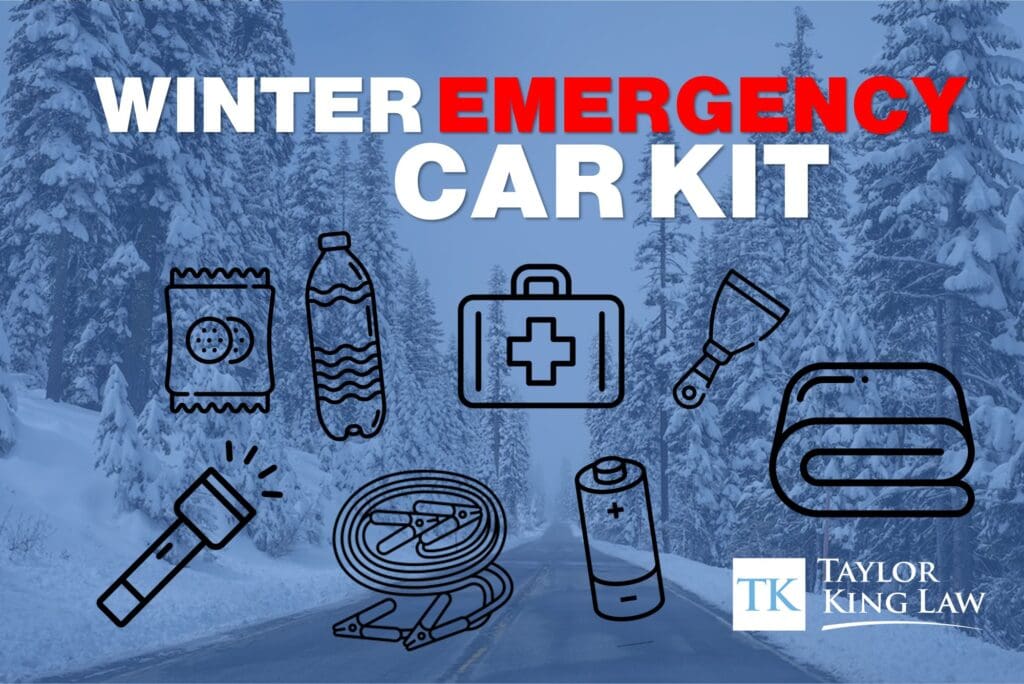
Stock your vehicle with items that can come in handy if you’re caught in terrible weather. Here’s what you need for a winter emergency car kit:
Check your local weather and traffic reports before heading out. If the roads aren’t in good condition, maybe leave later than planned or postpone your trip until the roads are clear. If weather is forecasted and you must leave, consider leaving early or changing your departure to avoid being on the road during the worst of the weather. Make sure you are familiar with directions and maps before you go and let others know your time of arrival.
Your car may already have safety features built in – they are considered standard for most newer vehicles. Traction control is one of those features. It helps your vehicle maintain traction on slippery surfaces, especially when trying to accelerate. Another is the anti-lock braking system, which works by releasing and then reapplying the brakes. This prevents your wheels from “locking” and helps you continue to steer.
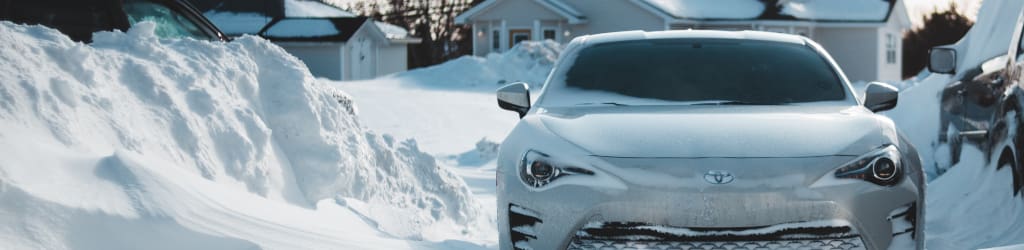
For more information on winterizing your vehicle: 5 Ways to Prep Your Car for an Arkansas Winter
Now that you’re familiar with how road conditions can change during winter weather, we want to point out three ways cold weather can change your vehicle:
For more information on winter weather driving and how to be prepared, we recommend the experts at NHTSA.
While you can take every step to be a safe, responsible driver, you can’t control what other drivers do on the road. If you were injured in a car wreck and the other driver was at fault, you have options. We’re here to help.
We’ve been helping our friends and neighbors for over 30 years.

Questions? Call us today at 870.246.0505. You can also reach us online through our chat feature or using our Online Contact Form. You’re just a call or click away from getting the help you need.
We’ll be on your side – by your side.