


Car Accident
Seat Belt Laws in Arkansas
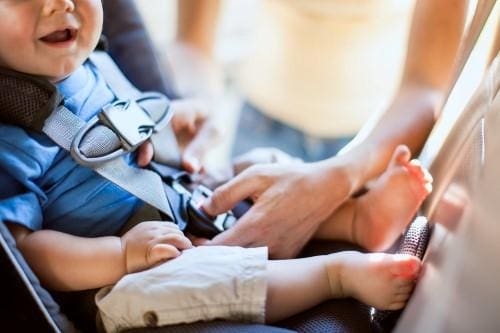
Parents, you know that it’s important to buckle your baby into a child safety seat. But it’s not that simple, according to car experts.
Having a baby changes everything (sleep-deprived new parents, we feel for you), even the way you drive. The most lead-footed speed demons transform into Driving Miss Daisy when there’s a child in the back seat. A motorcycle-loving dad suddenly sees the merits of a minivan. And two twenty-somethings may find themselves spending hours at Target in the car seat aisle, trying to find the perfect seat to keep their baby safe and sound.
But how will you know when you’ve found that perfect seat? And, even more important, how can you be sure you’re buckling and snapping everything correctly to keep your child as safe as possible on car rides? Our friends at Little Rock news station, Today’s THV, recently shared the staggering statistic that 9 out of 10 car seats in Arkansas are installed incorrectly.
Why? Most parents simply don’t know what they’re doing wrong. Did you know, for example, that safety belts should not be fastened over thick winter coats, which can keep the straps from holding your child securely? Instead, try buckling your child in and then covering him or her with a warm blanket.
At Taylor King Law, our Fort Smith car accident lawyer understands the risks families face on the road and the importance of proper car seat use. We’re committed to raising awareness and helping parents stay informed about critical safety guidelines.
Many Arkansas parents move their children into booster seats too early or misuse them altogether. Transitioning a child before they meet the proper height and weight requirements undermines the protection a booster provides. Booster seats are essential for elevating a child so that the seat belt fits securely across the hips and chest, not the stomach or neck.
Another common issue is using a backless booster without a headrest when one is needed. In Arkansas, all children under 15 must be restrained properly, and those under 6 years old and under 60 pounds must be in a child safety seat Arkansas Code §27-34-104. Ignoring these regulations not only compromises safety but can lead to legal penalties.
The National Highway Traffic Safety Administration (NHTSA) outlines best practices for car seat use at each stage of a child’s growth. Infant Car Seat (Rear-Facing Only): Used from birth to about one year old. Offers optimal support for newborns.
Forward-Facing Car Seats:
Booster Seats:
A car seat can lose its protective integrity after a collision, even if there’s no visible damage. The structural materials within the seat can weaken from the force of a crash, even when no cracks or dents are apparent. This hidden damage reduces the seat’s ability to absorb impact in the event of another accident, putting your child’s safety at serious risk.
For this reason, it’s essential to replace any car seat involved in a moderate or severe crash. Keep detailed records of the incident and your purchase receipt, as many insurance providers will reimburse replacement costs.
Continuing to use a potentially damaged seat is not only dangerous but may also violate Arkansas’s child passenger safety laws. Replacing the seat helps ensure your compliance with these legal requirements and reinforces your commitment to keeping your child protected on every ride.
According to Arkansas Code §27-34-104, children under 6 years old and weighing less than 60 pounds must ride in a federally approved child safety seat. Children 6 years or older or weighing 60 pounds or more may use a standard seat belt. All children under 15 must be properly restrained.
Here’s a breakdown:
Fines and legal consequences apply if Arkansas child seat laws are ignored. Failing to properly restrain a child in a vehicle may result in a fine ranging from $25 to $100, depending on the circumstances. However, the financial penalty is just one aspect; non-compliance can have serious legal implications if a crash occurs. In civil lawsuits involving injuries to children, improper restraint may be argued as contributory negligence. This could significantly affect the outcome of a personal injury claim, possibly reducing the compensation you are entitled to.
Additionally, if a child is unrestrained or improperly secured during a collision, it may complicate the determination of liability and damages. Courts often consider compliance with safety laws when evaluating negligence and parental responsibility. While Arkansas law enforcement often emphasizes education first, officers will issue citations when public safety is at risk. Ensuring your child is properly secured is not only a legal duty but a vital step in safeguarding their well-being.
Even the most caring parents can make critical errors, such as:
Each of these mistakes can significantly undermine a car seat’s effectiveness in the event of a collision. It’s not enough to simply place a child in a seat—parents must follow the manufacturer’s instructions carefully and ensure a snug, secure fit every time. Car seats are designed to protect vulnerable young passengers, but even minor misuse can reduce their life-saving capabilities. Taking time to double-check every detail can make all the difference in an emergency situation.
Parents seeking guidance can access several credible resources:
Additionally, local fire departments and hospitals often offer free car seat checks. These programs provide peace of mind and reinforce best practices.
Yes, consulting a personal injury lawyer after a crash involving a child is essential. An experienced attorney can help determine if child restraint compliance will influence your case. Taylor King Law understands Arkansas’ specific laws and how they apply in injury claims involving minors.
Our firm investigates the crash, evaluates compliance with safety laws, and helps secure compensation for medical bills, trauma, and long-term care. If another driver’s negligence caused the crash, you deserve justice and support.
Contact us today at 870-246-0505 for a free consultation—we’re on your side, by your side.
Related articles