


Car Accident
When is it Too Late to See a Doctor After a Car Accident?
Getting into a car accident is always stressful, but the situation becomes even more complicated when the vehicle isn’t yours. If you’re behind the wheel of a leased car, you may wonder what happens next. Can you return it? Are you still on the hook for damages? At Taylor King Law, we understand that these questions can create added pressure during an already difficult time. That’s why we’ve developed this resource to walk you through every step of the process of returning a leased car after an accident. Whether the vehicle is repairable or declared a total loss, we’ll help you navigate the legal and financial issues specific to Arkansas drivers and lease agreements. If you’re looking for trusted guidance after a crash, a Fort Smith car accident lawyer from our team is here to support you.
When a leased car is damaged in an accident, the responsibility usually falls on the person leasing the vehicle. Unlike typical wear and tear, accident damage involves more serious financial obligations. Leasing companies often require that all repairs meet strict standards, which can increase costs. In cases where the vehicle can be fixed, it will likely need to be repaired before it can be returned.
If the vehicle is totaled, your insurance may cover the car’s current market value, but that amount may not equal what you still owe on the lease. That gap could become your responsibility unless you have gap insurance coverage. Common outcomes include:
Yes, leasing adds extra layers of responsibility. When you own a car, you make decisions about repairs or selling. With a leased car, you must follow the leasing company’s rules, repair standards, and timelines. You also have to factor in the lease contract and notify the lessor quickly.
Immediately following an accident in Arkansas, follow these steps:
Every lease has its own terms, but many include clauses about accident reporting, repair responsibilities, and using certified mechanics. Failing to comply can lead to extra fees.
Arkansas requires the following minimum liability insurance, per Arkansas Code Section 27-22-104:
Optional coverage is strongly recommended, especially for leased cars:
Returning a leased car after an accident can be more complex than returning a vehicle in good condition. You’re typically responsible for repairing damage beyond normal wear and tear. If the car is a total loss, you may be liable for the remaining lease balance. This is where GAP insurance becomes crucial, as it can cover the difference between what the car is worth and what you still owe.
Keep these points in mind:
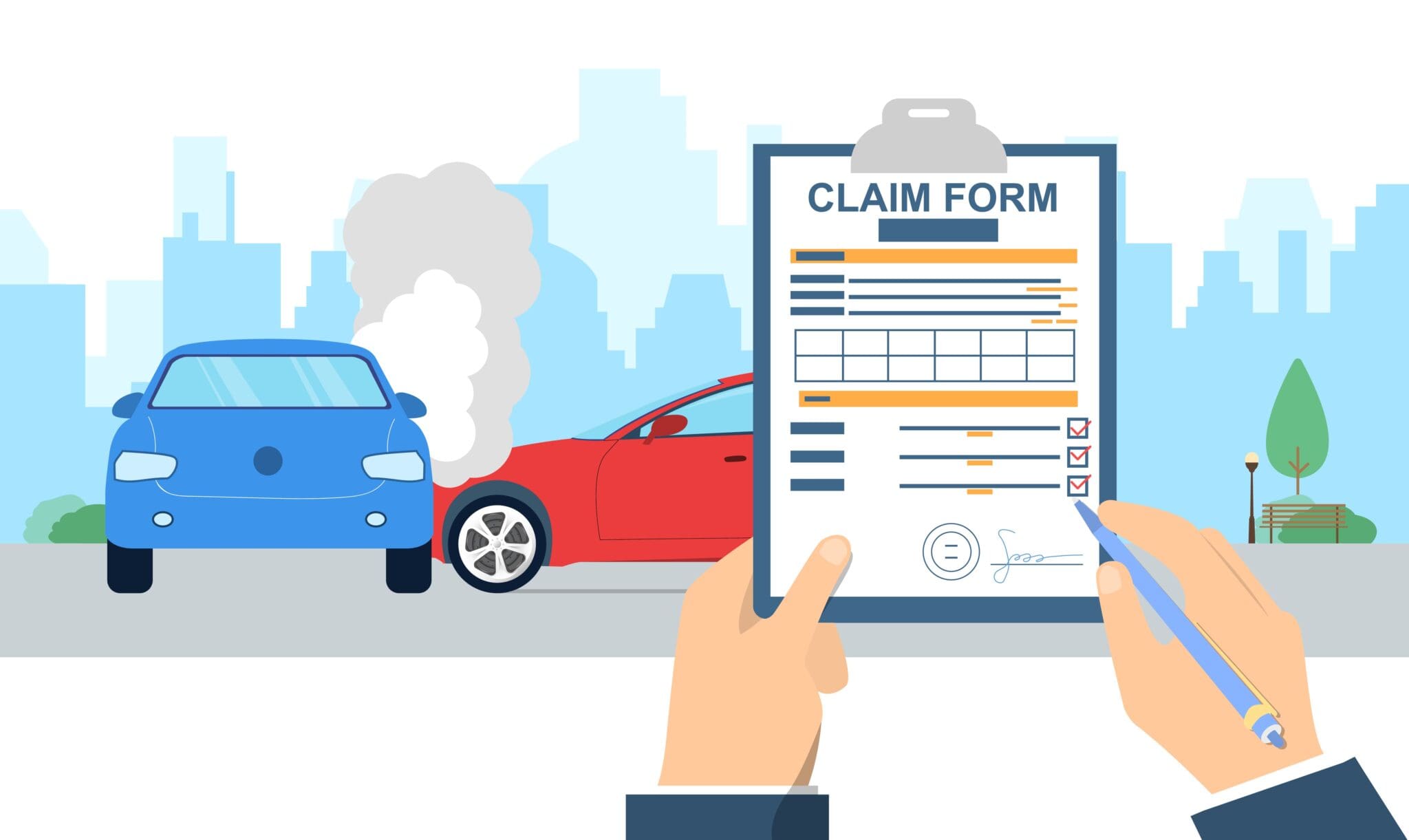
You still need to report the damage and follow your lease agreement. Even if the accident wasn’t your fault, your leasing company will still expect full compliance with your lease terms. You’re obligated to communicate clearly, document the damage, and coordinate repairs according to their standards. When another driver is responsible for the collision, their insurance may cover several key costs, depending on fault determination and policy coverage. These may include:
Regardless of who’s at fault, you’re still responsible for protecting the lease agreement’s conditions. Always gather solid evidence at the scene, notify all necessary parties, and consult a lawyer to ensure your rights and responsibilities are fully protected.
If you’re facing repair disputes, insurance denials, or uncertainty about returning your leased vehicle, we’re here to help. A lawyer can:
At Taylor King Law, we assist clients across Arkansas in navigating vehicle accidents, including leased vehicle claims. Whether your car was totaled or just needs repairs, we’ll stand by you to protect your rights and get you back on the road.
If you were in an accident with a leased vehicle, don’t go through the process alone. Our Arkansas-based team at Taylor King Law can guide you through your insurance claim, lease terms, and next steps. Contact us today for a free consultation and let us help you move forward with clarity and confidence.